
Post-Mortem Decontamination & Biohazard Disposal in Seattle: Ensuring Safety After a Death
Updated: May 17

TL;DR Post-Mortem Decontamination and Biohazard Disposal in Seattle
Post-mortem decontamination in Seattle describes the work we do to safely clean, remove, sanitize, deodorize, and properly dispose of affected materials after a death. I believe the goal should always be clear. We restore safety, protect privacy, and help the family, property owner, or manager understand the next step without adding more stress.
My name is Michael, and I want people to understand that after-death cleanup involves far more than wiping down surfaces. We start with a careful assessment, then remove affected materials, sanitize the area, address odors, and make sure hazardous waste is handled properly. In many cases, items like flooring, bedding, furniture, clothing, and other porous materials cannot be safely restored. Some personal belongings can be saved. Others simply cannot.
We also take steps to control what you cannot see. Negative airflow helps contain airborne particles and reduce the chance of cross-contamination during sensitive biohazard cleanup. Our team follows BSL-3-informed precautions, which means strong containment, respiratory protection, controlled access, and careful decontamination from start to finish.
Here in Seattle, biohazard disposal has to be done the right way. We separate waste, contain it securely, label it properly, transport it carefully, and ensure it is handled through the appropriate channels. Most importantly, professional cleanup helps protect families from direct exposure. We handle the work with discretion and respect so the space can be made safe again, and some sense of order can return.
What is post-mortem decontamination in Seattle?

Here in Seattle, post-mortem decontamination refers to safely cleaning and sanitizing a property after a death has occurred in the space. We’re called in when blood, bodily fluids, odor, or contaminated materials may still be present after the person has been removed. The goal is to make the area safe again and help people regain some sense of order in a very difficult moment.
We identify the rooms and surfaces that were affected, and look for any air quality concerns that need attention. From there, we put together a clear plan for containment, removal, cleaning, sanitization, odor control, and proper disposal. I believe people deserve clear answers during a stressful situation, so we keep the process straightforward and easy to understand.
This is not the same as standard house cleaning. Routine cleaning handles everyday dirt and visible mess. Post-mortem decontamination deals with biological risk, hidden contamination, porous materials, and safe disposal. We work carefully and thoroughly so the space is cleaned the right way, while also moving quickly enough to reduce stress for the family, property owner, or anyone responsible for the next steps.
Why does post-mortem cleanup require containment?

After-death cleanup requires real containment. If affected materials are disturbed without the right controls, contamination can spread beyond the area you can actually see. We use containment to help protect nearby rooms, our crew, anyone else on site, and the rest of the property.
Depending on the situation, we may set up barriers, limit entry to specific access points, wear the proper protective equipment, and use negative airflow. Put simply, negative airflow helps pull air toward the affected area instead of letting particles drift into cleaner parts of the home or building. That becomes especially important when we have to remove flooring, carpet pad, drywall, or other materials that can release particles during removal.
A home, apartment, or business is not a lab, and I do not want to make it sound more clinical than it is. But BSL-3-informed precautions still matter. They give us a disciplined way to think about containment, respiratory protection, and cross-contamination so we can do the work thoroughly and protect the rest of the space.
How are contaminated items disposed of after a death?

After a death, one of the hardest questions is what can be saved and what needs to be removed. We sort contaminated items based on what can be safely cleaned and what should not stay in the space. That decision depends on the material, how much exposure there was, and whether anything reached below the surface.
In many cases, non-porous materials like sealed counters, tile, metal, and glass can be cleaned and disinfected. Porous materials are different. Carpet, padding, mattresses, cloth furniture, unfinished wood, paper goods, and some personal items can absorb fluids and hold odor. If contamination has soaked deep into those materials, removal is often the safer option.
I believe disposal should be handled carefully, in an organized way, and with clear documentation. When items do need to be removed, we bag them, seal them, label them, and move them through a controlled path so affected materials stay separate from general debris. That helps protect the property, the people in it, and anyone handling the waste afterward.
In King County, the guidance is clear. Biomedical waste should be separated from other waste, stored properly, labeled, contained, and handled by a Public Health permitted vendor or hauler when required by King County.
For families and property owners, the takeaway is simple. Do not guess with disposal. Ask the cleanup provider how contaminated items will be contained, transported, treated, and documented. That conversation matters. It is one of the clearest ways to tell whether a team is handling the situation thoroughly.
How long does post-mortem decontamination take?
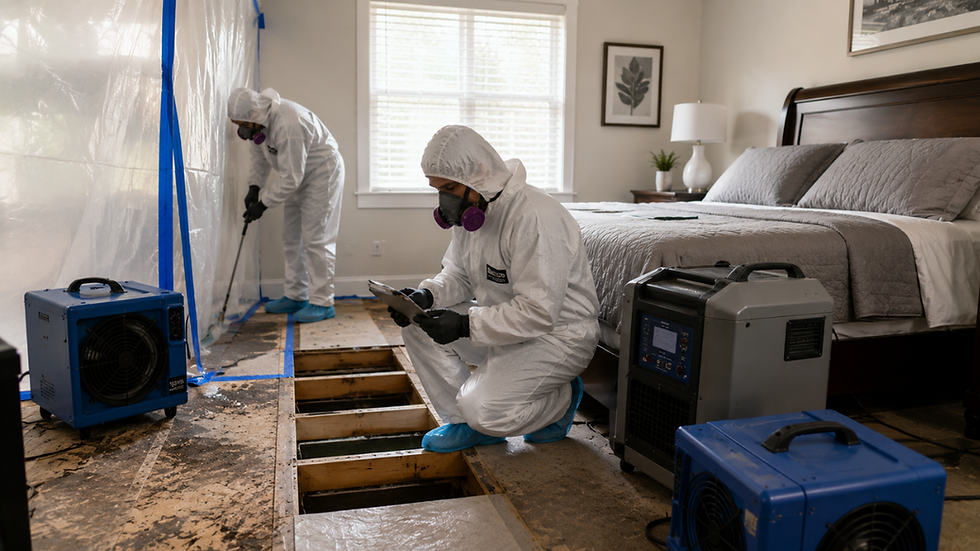
Post-mortem decontamination can take anywhere from a few hours to a few days. It depends on the size of the affected area, the materials involved, odor conditions, and whether we need to remove flooring, subflooring, or other structural materials. If the area is contained and we are mainly cleaning hard surfaces, the work may move fairly quickly. If the room is more heavily affected and there are issues with contents, flooring, subflooring, and lingering odor, it will take longer.
I believe people deserve a clear timeline before work begins. We walk through the plan, explain what we expect, and talk through anything that could change once the job is underway. If we uncover hidden damage, we will let you know right away and explain the next steps clearly.
Summary

After a death, post-mortem decontamination in Seattle needs to be handled with care, calm judgment, and respect for everyone involved. I believe people deserve clear answers and steady help in a difficult moment. We plan the cleanup carefully, contain the affected area, remove contaminated materials safely, sanitize surfaces that can be restored, and address lingering odor. The goal is simple. Restore safety, protect privacy, and help bring some peace of mind back to the space.
If you need discreet help, we’re here to talk through the situation and explain the next step clearly. We can provide a free quote, respond quickly, and help you find out whether insurance may cover part of the cost. Reach out now for immediate help or reach out today for respectful, professional support.


Comments