
Certification & Qualifications: What Makes a Professional Death Cleanup Technician in Washington

If you’re hiring someone for after-death cleanup in Washington, make sure they have bloodborne pathogen training, use protective equipment correctly, and work under a real safety program that meets Washington’s exposure control requirements. This is not standard cleaning work. General cleaning experience alone is not enough.
I’m Michael, and I know how overwhelming it can be when a death happens in a home. In a moment like that, families need clear answers and a team that knows how to handle biohazards safely, properly, and with respect.
I want people to understand what really matters before hiring anyone, including the training, certifications, safety standards, and cleanup process they should look for. That way, they can ask the right questions and feel confident before anyone enters the property.
Key Takeaways
In Washington, bloodborne-pathogen compliance matters more than a vague biohazard certified claim.
Training should happen before exposure work starts and at least annually.
Employers should have a written exposure control plan.
Hepatitis B vaccination must be offered to exposed employees.
PPE and regulated-waste handling are basic requirements, not extras.
BSL-3 is a lab term, not a standard death-cleanup credential.
What makes a professional death cleanup technician in Washington?
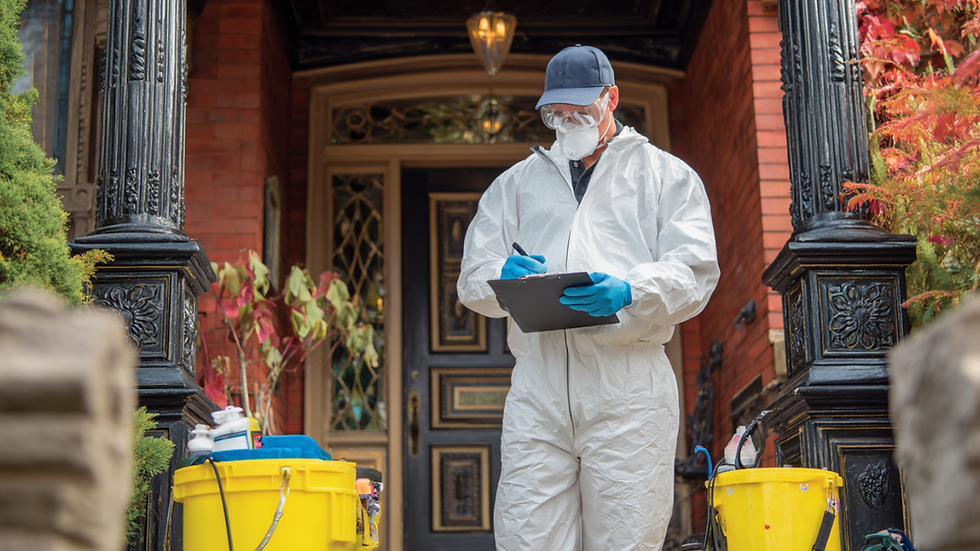
This is not the kind of job a standard cleaning crew should take on. It calls for trained biohazard professionals who know how to protect themselves, protect the property, and handle the situation with care.
The technician should be working under a company that plans for exposure risks, provides the right protective equipment, keeps a written exposure control plan, and manages contaminated materials carefully from the first step through final disposal. This is specialized biohazard cleanup, and it should always be handled with that level of care.
The Washington bloodborne pathogen rules explain that covered employers must determine which employees have occupational exposure, create a written exposure control plan, train exposed employees, and provide protective equipment and other safeguards.
If a company cannot explain those basics clearly, that is a warning sign for you as a homeowner.
What training should death cleanup technicians have before they work in a home?

Death cleanup technicians should have bloodborne-pathogen training before they begin tasks where occupational exposure may occur.
In Washington, bloodborne-pathogen training requirements state that employees with occupational exposure must be trained before assignment, at least annually thereafter, at no cost to them, and during compensated working hours.
This work is not only about cleaning what you can see. It involves understanding exposure risks, containment, decontamination, disposal practices, and what to do in the event of an on-site incident.
OSHA’s bloodborne pathogens standard also requires training for employees with occupational exposure and says annual training must be provided within one year of previous training.
That gives you a practical question to ask: when was the technician’s last bloodborne-pathogen training, and who provided it?
What Washington safety requirements should a qualified company be following?

When you’re hiring a death cleanup company in Washington, broad marketing claims are not enough. A qualified company should be following the state’s bloodborne pathogen requirements and able to show that it has a real safety system in place for the technicians doing the work. That matters for everyone involved, especially in a situation this sensitive.
At a minimum, Washington requires employers with occupational exposure to prepare a written exposure determination and a written exposure control plan that is designed to eliminate or reduce exposure. The state also requires that the plan be reviewed and updated at least once a year. These are not minor details. They tell you whether a company is organized, trained, and prepared to handle the cleanup properly.
It is also reasonable to ask whether the company keeps training records. Washington’s rule says the person providing required training must be knowledgeable about the subject. That kind of behind-the-scenes detail says a lot. It helps separate a company that is truly prepared from one that simply makes broad claims about doing it all.
What certifications should you ask about, and which ones are often overstated?

Ask what kind of training actually fits the job. Some companies list certifications that sound impressive, but that does not tell you much unless they can explain what those credentials mean in real, practical terms. A solid company should be able to walk you through its training, PPE standards, and exposure procedures in plain language. A badge by itself is not enough.
You may hear about IICRC trauma and crime scene training. That can be a helpful sign. Still, it should support Washington safety requirements, not stand in for them.
Washington also has a separate certification program for clandestine drug lab decontamination workers. That is a different credential, and it does not automatically qualify someone to handle an after-death cleanup in a home.
If a company brings up that certification, ask one more question. Ask how it specifically applies to bloodborne pathogen handling and trauma scene cleanup.
Is BSL-3 certification something you should look for in home death cleanup?

BSL-3 certification is not the right benchmark for routine home death cleanup. It gets misunderstood a lot.
Biosafety Level 3 is a lab containment standard. It applies to work with infectious agents that can cause serious illness through inhalation. It was created for laboratory, diagnostic, teaching, research, and production settings that handle those materials under special containment. It is not a standard certification for home death cleanup.
That matters because lab language can sound impressive even when it does not really fit the work being done. For most homeowners, the better question is much simpler. Does the company follow bloodborne pathogen rules? Do they use the right protective equipment? Do they have a clear plan for exposure control, decontamination, and safe waste handling?
That is what actually matters in this kind of situation.
What protective equipment and health safeguards should you expect?

You should expect a qualified company to use appropriate PPE and to have employee health protections in place. In Washington, employers must provide appropriate PPE at no cost, including gloves, gowns, or protective clothing, and face protection when needed.
You should also expect the company to explain which death cleanup equipment is used on the job and why each item is necessary for safe, controlled handling.
Washington also requires employers to make the hepatitis B vaccination series available to employees with occupational exposure at no cost and at a reasonable time and location. You do not need to ask for private medical details. Instead, you can ask whether the company’s safety program includes vaccine access, exposure follow-up, and documented procedures.
A professional company should be able to explain all these clearly.
What should you ask before hiring a death cleanup company in Washington?

Before hiring a death cleanup company in Washington, ask direct questions to determine whether the company has real qualifications behind its marketing. The right questions are simple, specific, and easy to explain.
Ask questions like these:
Do your technicians receive bloodborne-pathogen training before doing exposure work?
Is that training refreshed at least annually?
Do you follow a written exposure control plan?
What PPE do your technicians use on a death-cleanup job?
How do you handle contaminated waste and disposal?
What trauma or crime-scene-specific training do your technicians have?
Can you explain the difference between industry certifications and Washington safety requirements?
A qualified company should not get defensive, but should be able to answer them clearly and without hiding behind jargon.
FAQs

Do death cleanup technicians in Washington need a single state-issued death cleanup license?
Washington has clear bloodborne-pathogen and worker-safety rules. Still, you should not assume there is one universal state-issued license for death-cleanup work. It helps to ask how the company trains for occupational exposure, what written safety procedures it follows, and which credentials truly apply to trauma-scene cleanup.
Is bloodborne-pathogen training enough on its own?
Bloodborne-pathogen training is essential, but it is not the whole picture. You also want proper PPE use, exposure-control planning, waste-handling procedures, and technicians who understand trauma-scene work in real homes, not just theory.
Does HAZWOPER automatically mean a company is qualified for death cleanup?
Not by itself. HAZWOPER can be relevant in certain hazardous-material contexts, but you still need to know whether the company is trained for bloodborne-pathogen exposure and practical trauma-scene cleanup in occupied properties.
Should you trust a company that uses technical terms but avoids clear answers?
No. If a company leans on jargon but cannot explain its training, safety plan, and cleanup process in plain language, that is a concern. In this kind of situation, clarity is part of professionalism.
Checklist

Ask about bloodborne-pathogen training
Ask when training was last renewed
Ask for the exposure-control plan details
Ask about PPE used on site
Ask how waste is contained
Ask about trauma-scene-specific training
Be cautious with vague certification claims
Do not treat this like ordinary cleaning
Summary
A professional death cleanup technician in Washington should be backed by real bloodborne-pathogen training, proper PPE practices, a written exposure-control plan, and a company that can explain its qualifications. If you know what to ask, it becomes much easier to tell the difference between a trained biohazard team and a general cleaner.
If you need help with a death-cleanup in Washington, connect with us at HazardPros. We will explain the next step clearly, answer your questions directly, and provide discreet, respectful cleanup support.


Comments