
How to Choose a Reputable Death Cleanup Company in Seattle: Reviews, Response Time & Compassionate Care
Table of Contents

TL;DR
Choosing a death cleanup company is about more than cleaning—it’s about trust, safety, and compassion. In Seattle there is no single “death cleanup” license; reputable providers must comply with OSHA’s Bloodborne Pathogens Standard, as well as King County biomedical waste disposal rules. Homeowners should look for experienced providers with documented training in these safety standards, rapid 24/7 response, transparent pricing, insurance support, and a track record of compassionate communication.
Key takeaways
● Verify compliance, not just a license. Seattle has multiple overlapping regulations—OSHA Bloodborne Pathogens, HAZWOPER, King County waste permits, and general business licensing—rather than a single crime‑scene cleanup license.
● Check experience and training. Look for technicians who can provide documented training to OSHA’s Bloodborne Pathogens Standard and who have several years of field experience. Ask to see exposure‑control plans and training records rather than relying on generic claims of certification.
● Assess response time and availability. A company should offer 24/7 emergency service and arrive quickly to prevent cross‑contamination and odor spread.
● Review services and equipment. Choose providers who can handle assessment, containment, removal, decontamination, odor neutralization, and structural repairs using hospital‑grade chemicals and HEPA filtration.
● Seek compassion and clear communication. Cleanup technicians should explain each step, answer questions sensitively, and respect your emotional state while following strict safety protocols.
After the trauma of a death in the home, you are faced with the task of restoring the property to a safe condition. Selecting a qualified biohazard cleanup company is crucial. Seattle does not issue a single “crime‑scene cleanup license”; instead, companies must comply with several federal and county regulations and demonstrate professional training. This guide explains the factors to consider—regulations, training, response time, services offered, pricing, reputation, and compassion—so you can make an informed choice during a difficult time.
Seattle’s regulatory landscape

Unlike some trades, death cleanup is not regulated by a standalone state or municipal license. Seattle companies must navigate a patchwork of requirements:
● OSHA Bloodborne Pathogens Standard. Workers must follow an exposure‑control plan, receive annual training, and wear appropriate PPE to handle human blood and tissues safely.
● King County biomedical waste handling and disposal rules. Firms must use permitted waste haulers, label and track waste, and maintain disposal manifests.
● General business and insurance requirements. Companies need liability insurance, workers’ compensation coverage, and a valid business license to operate legally.
When interviewing a company, ask to see proof of bloodborne‑pathogens training and waste‑hauling permits. A reputable business will have these documents readily available and can explain how they maintain compliance.
Experience & training

Experience matters when dealing with traumatic scenes. Long‑standing providers are likely to have refined protocols and encountered various scenarios. Ask how many years the company has been operating and what types of incidents they handle.
Look for training and documentation that demonstrate formal preparation and adherence to safety standards. In Seattle, there is no single certification card; legitimate companies combine several forms of training:
● Documented Bloodborne Pathogens training. Technicians should be up to date on OSHA’s Bloodborne Pathogens Standards. Ask to see training records and dates of their most recent refresher.
● Manufacturer or industry training and company SOPs. Providers should have training on the disinfectants, equipment, and odor‑control methods they use and a written exposure‑control plan that references state and local requirements.
● Exposure‑control plan and waste‑handling procedures. Request to see the company’s exposure‑control plan (with private information redacted) and ask who their permitted biomedical‑waste hauler is.
There is no state‑issued “crime‑scene cleanup card,” so asking these documentation questions is essential.
Companies should also be able to supply an exposure‑control plan and standard operating procedures. If a provider hesitates or cannot produce documentation, consider it a red flag.
Rapid response & availability

Time is critical after an unattended death. Delays allow blood and fluids to seep deeper into flooring and walls, making remediation more extensive and expensive. BELFOR’s guidance on choosing a crime‑scene cleanup company stresses the importance of 24/7 availability and prompt response to stabilize and secure the site. Ask how quickly technicians can arrive and whether they provide on‑call dispatch outside regular business hours. Local companies familiar with Seattle traffic and neighborhoods typically offer faster arrival than out‑of‑state franchises.
Services provided & equipment

Biohazard remediation involves more than wiping down surfaces. Confirm that the company offers a comprehensive suite of services:
● On‑site assessment and containment. Technicians should evaluate the scene, develop a plan, and set up barriers and negative‑air filtration.
● Selective removal of porous materials. Carpets, drywall, and furniture saturated with fluids must be removed and disposed of as regulated waste.
● Cleaning and disinfection. Hospital‑grade cleaners and EPA‑registered disinfectants should be used, followed by ATP testing or other verification methods.
● Odor remediation. Ozone or hydroxyl generators and HEPA scrubbers neutralize decomposition odors, a process that can take 24–48 hours.
● Structural repairs and content restoration. Some companies offer minor repairs or can refer you to trusted contractors.
Ask about the equipment they use—HEPA vacuums, negative‑air machines, sealed waste containers—and ensure it meets industry standards. A company willing to explain its process inspires confidence.
Insurance assistance & transparent pricing
Biohazard cleanup can be expensive, but many homeowners or property insurance policies cover it. A reputable company will help you navigate the claims process by providing photographs, itemized invoices, and disposal manifests. BELFOR recommends choosing a provider that offers clear, written estimates and explains what is included. Beware of companies that provide quotes over the phone without seeing the site.
Ask whether they will bill your insurance directly. Transparent pricing and insurance support reduce financial stress during an already difficult time.
Reviews & reputation
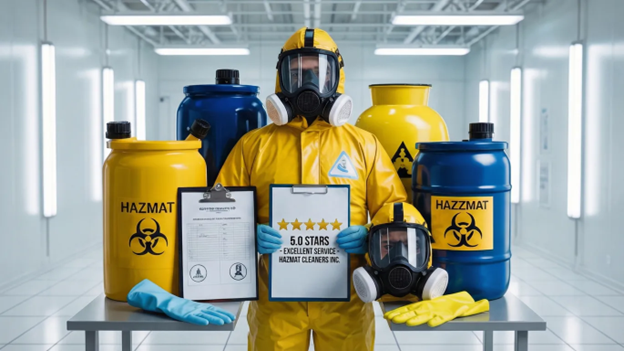
Customer reviews offer insight into a company’s reliability and professionalism. Look for testimonials on the company’s website, Google, Yelp, and local community forums. Pay attention to remarks about punctuality, communication, thoroughness, and empathy. You can also request references from past clients or check if complaints have been filed with the Better Business Bureau. A consistent history of positive feedback suggests the company honors its commitments.
Compassionate communication & emotional support

Biohazard remediation is unique because it often occurs during a time of grief. The Biotech article highlights that cleanup professionals should communicate compassionately with families, explain the process in non-technical terms, and be sensitive to the emotional weight of the situation. A good company will assign a point of contact who answers questions patiently, provides updates, and respects your privacy.
Technicians should avoid sensational language and treat personal belongings with care. They can also refer families to counseling resources or local support groups if needed.
Vetting checklist for Seattle homeowners

Use this checklist when interviewing death cleanup companies:
● Confirm regulatory compliance. Ask for proof of OSHA Bloodborne Pathogens training.
● Assess response time. Choose a 24/7 provider who can arrive quickly and secure the scene.
● Review scope of services. Ensure they handle assessment, containment, removal, decontamination, odor remediation, and repairs.
● Discuss insurance and pricing. Ask for itemized estimates and help filing insurance claims.
● Read customer reviews. Check online testimonials and ask for references to gauge reliability and compassion.
● Evaluate communication style. Notice whether staff explain procedures clearly and treat you with empathy.
Conclusion
Selecting a death cleanup company is a decision that impacts your safety, finances, and emotional well‑being. Seattle’s regulatory environment requires compliance with multiple safety and waste‑management standards. By verifying training and documentation, evaluating response times, understanding services offered, reviewing pricing and insurance support, checking reputation, and assessing compassion, you can choose a provider who will restore your home safely and respectfully. Remember, an experienced and empathetic team will not only clean and decontaminate the space but also guide you through a challenging moment with dignity and care.
If you need discreet, compliant cleanup in Seattle or greater King County, HazardPros can coordinate with your insurer, handle biomedical waste through permitted channels, and provide the documentation you’ll need for claims and peace of mind.


Comments