
Hantavirus and Rodent Droppings: How Long Risk Lasts and What Disinfectants Work
Updated: Sep 24

TL;DR — Hantavirus and Rodent Droppings: How Long Risk Lasts and What Disinfectants Work
Safety comes first when you find signs of rodent contamination. Hantavirus exposure can happen through contact with infected rodents or their urine, droppings, saliva, and nesting materials. The risk increases when contaminated material is swept, vacuumed, or otherwise disturbed. There is no practical age at which droppings should be treated as safe without proper precautions.
For a small amount of droppings, wet disinfection and careful removal may be appropriate. Do not sweep or vacuum the area.
If you find heavy contamination, damaged insulation, a large nest, dead rodents, or affected areas in an enclosed attic or crawlspace, I recommend stopping before disturbing anything further. We can assess the space, explain the safest next step, and help restore it properly.
Key Takeaways:
Do not sweep or vacuum dry rodent droppings before disinfection.
Hantavirus symptoms can begin one to eight weeks after infected-rodent contact.
Wet-wipe contamination with disinfectant and follow the product’s full contact time.
Deer mice are a hantavirus concern in western Washington.
How long does Hantavirus remain infectious in rodent droppings?
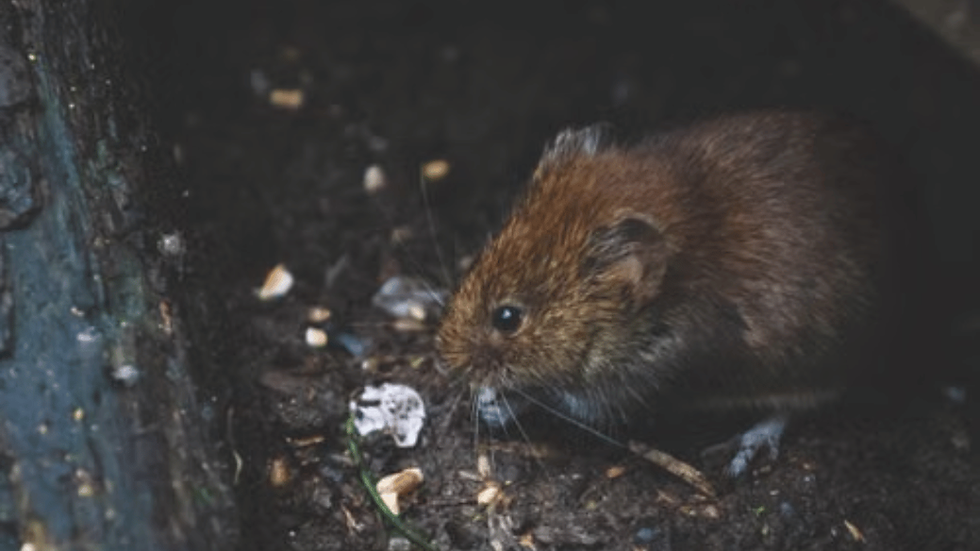
I’m Michael, founder of HazardPros. I’ve built our team to help people handle difficult cleanup situations safely, discreetly, and without judgment. When rodent contamination is involved, my advice is simple. Do not rely on the apparent age of the droppings to decide whether cleanup is safe.
Hantavirus can remain infectious outside a rodent for a limited time. Older CDC materials reported viability of roughly two to three days at normal room temperature. Sunlight, moisture, temperature, and other environmental conditions can affect that period.
That number should not be treated as a countdown. You usually cannot tell when the contamination occurred, whether newer droppings are mixed with older material, or whether other rodent-related pathogens are present.
Treat rodent waste as potentially contaminated. Do not sweep or vacuum it while dry. Wet it thoroughly with an appropriate disinfectant and remove it carefully.
What are the symptoms and incubation period for hantavirus?
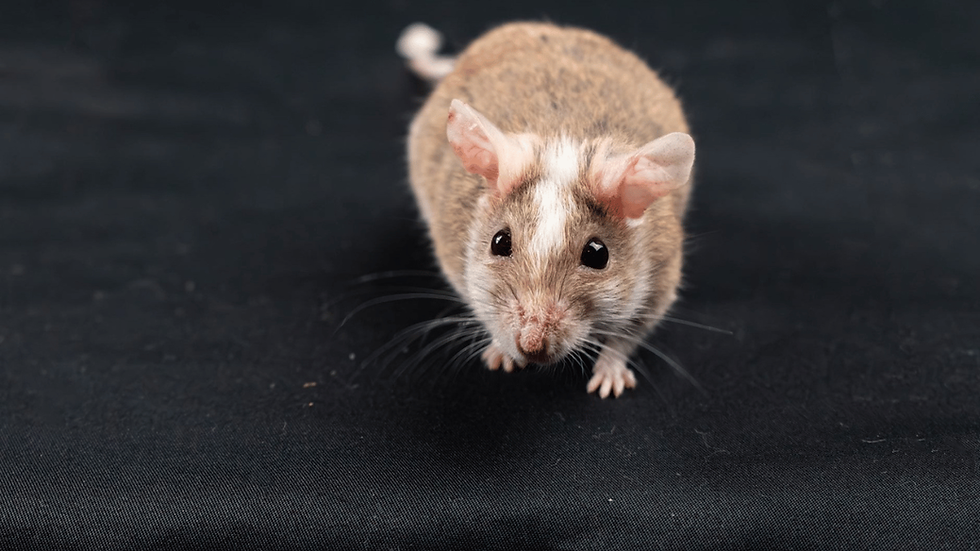
According to the CDC, symptoms of hantavirus pulmonary syndrome usually begin one to eight weeks after exposure to an infected rodent.
Early symptoms may include:
Fever
Fatigue
Muscle aches
Headache
Dizziness
Chills
Nausea or vomiting
Diarrhea
Abdominal pain
Later symptoms may include coughing and shortness of breath.
Hantavirus is uncommon, but it can be very serious. If you develop symptoms after meaningful rodent exposure, I recommend contacting a medical professional promptly. Make sure you explain the nature of the exposure, especially if you’re having difficulty breathing.
How do people get hantavirus from rodent droppings?

People can become infected when particles from contaminated rodent urine, droppings, saliva, or nesting material enter the body. Inhalation is a primary concern when dry contamination is disturbed.
Sweeping, brushing, blowing, or vacuuming can send contaminated dust into the air. That is why public health guidance focuses on wetting rodent waste thoroughly before removing it.
Public Health Seattle & King County notes that hantavirus in western Washington is associated with deer mice. Rats and mice can also spread illnesses such as leptospirosis, rat-bite fever, and lymphocytic choriomeningitis.
Finding droppings does not mean hantavirus is present. It does confirm rodent activity, and the affected area should be handled carefully.
What disinfectant should I use for hantavirus cleanup?

Choose a disinfectant that is suitable for the affected surface and EPA-registered for its intended use. Read the label carefully and follow every direction.
Contact time matters. The EPA requires treated surfaces to remain visibly wet for the full amount of time listed on the label. Spraying and wiping right away may not give the product enough time to disinfect properly.
For rodent waste, CDC guidance allows the use of a household disinfectant or a properly prepared bleach solution. Never mix bleach with ammonia, acids, or other cleaning products. Doing so can release dangerous gases.
If you are unsure about a product, check its EPA registration and label before you begin. Taking a few minutes to confirm the instructions can help you clean the area safely and thoroughly.
What is the safe procedure for cleaning rodent droppings?

The goal is to remove the contamination without putting dust into the air.
For an enclosed building, CDC guidance recommends opening doors and windows for about 30 minutes before cleanup. Leave the area while it ventilates.
Once the space has aired out, follow these general steps:
Put on rubber or plastic gloves.
Inspect the area without disturbing the droppings or nesting material.
Thoroughly wet droppings, urine, nests, and affected surfaces with an appropriate disinfectant.
Keep the material wet for the full contact time stated on the product label.
Wipe up the material with disposable towels. Do not sweep or vacuum it.
Place the waste in a suitable bag and dispose of it according to local requirements.
Disinfect the affected surface again.
Wash your gloved hands before removing the gloves.
Remove the gloves and wash your bare hands with soap and water.
Small, isolated contamination may be manageable when CDC guidance is followed carefully. Porous materials are more complicated. Insulation, unfinished wood, carpet, upholstered furniture, and similar materials may need specialized treatment or removal.
Visible droppings may also represent only part of the affected area.
When should I avoid cleaning rodent droppings myself?
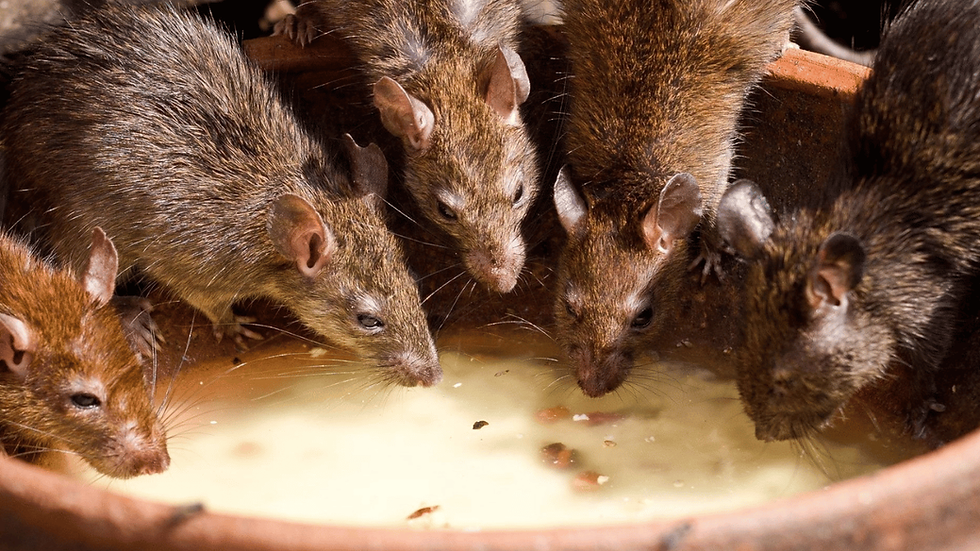
I would not recommend a do-it-yourself cleanup when contamination is heavy, widespread, difficult to reach, or likely to create airborne dust.
Professional rodent cleanup may be the safest choice when the contamination is extensive, difficult to reach, or cannot be removed without specialized equipment.
Consider calling a trained cleanup team if you find:
Contaminated insulation in an attic or crawlspace
Rodent activity in HVAC systems or ductwork
Large or widespread nesting areas
Dead rodents inside the property
Contamination across multiple rooms
Strong or persistent urine odors
Widespread staining on floors, walls, or other surfaces
Porous materials that cannot be safely cleaned or decontaminated
A building that has been closed or vacant for an extended period
Our team can assess the space, establish controls around the affected area, select appropriate protective equipment, and determine which materials can be cleaned and which should be removed. We provide a clear quote before cleanup begins.
The safest next step

You can’t judge hantavirus risk by how old rodent droppings appear. The safer approach is to handle all contamination carefully and follow proper cleanup practices.
Don’t dry sweep or vacuum rodent waste. Wet the droppings and affected surfaces with an appropriate disinfectant. Follow the product directions, allow the full contact time, and remove the waste carefully.
If the contamination is widespread, enclosed, hard to reach, or embedded in insulation or other porous materials, professional cleanup may be the safer choice. You can also compare typical rodent cleanup costs to understand what may affect pricing.
If you’re dealing with heavy rodent waste, contaminated insulation, strong urine odors, or a difficult attic or crawlspace in the Seattle area, call us today. We’ll assess the property, explain your options clearly, and provide discreet rodent biohazard cleanup when the situation requires more than ordinary household cleaning.


Comments